Determining the lifespan of your heating and cooling systems is essential for homeowners to budget effectively and plan for necessary replacements. Understanding the factors influencing their longevity can help you maximize your investment and avoid unexpected breakdowns. Let's explore the typical lifespan of HVAC systems and how you can extend their performance.
Average Lifespan of HVAC Systems
Typically, a well-maintained heating system, such as a furnace, can last between 15 to 20 years. Air conditioning units usually have a slightly shorter lifespan, generally ranging from 10 to 15 years. However, these are just averages, and the actual lifespan can vary based on several factors.
Factors Affecting HVAC System Lifespan
Several elements can impact how long your HVAC systems last:
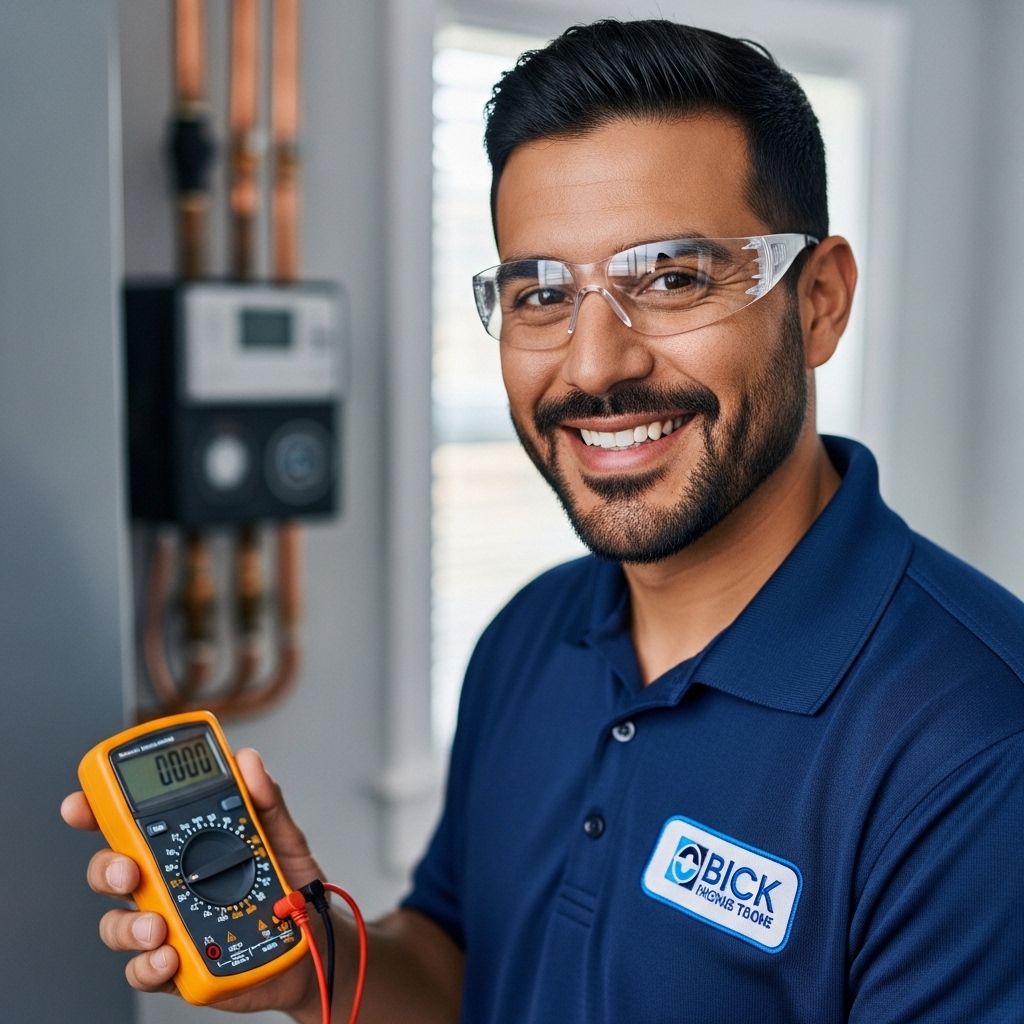
Maintenance: Regular maintenance is perhaps the most critical factor. Systems that receive annual check-ups and timely repairs tend to last longer and operate more efficiently.
Usage: The frequency and intensity of use affect lifespan. Systems used more heavily, especially in extreme climates, may wear out faster.
Quality of Installation: A properly installed system will perform better and last longer. Poor installation can lead to operational inefficiencies and premature failures.
Air Quality: Dirty air filters and dusty environments can strain your HVAC system, reducing its lifespan. Regularly changing air filters is a simple yet effective way to prolong system life.
Climate: Harsh weather conditions can put extra stress on your HVAC systems. Homes in regions with extreme temperatures may need to replace their systems more frequently.
Tips to Extend the Life of Your HVAC Systems
To maximize the lifespan of your heating and cooling systems, consider the following tips:
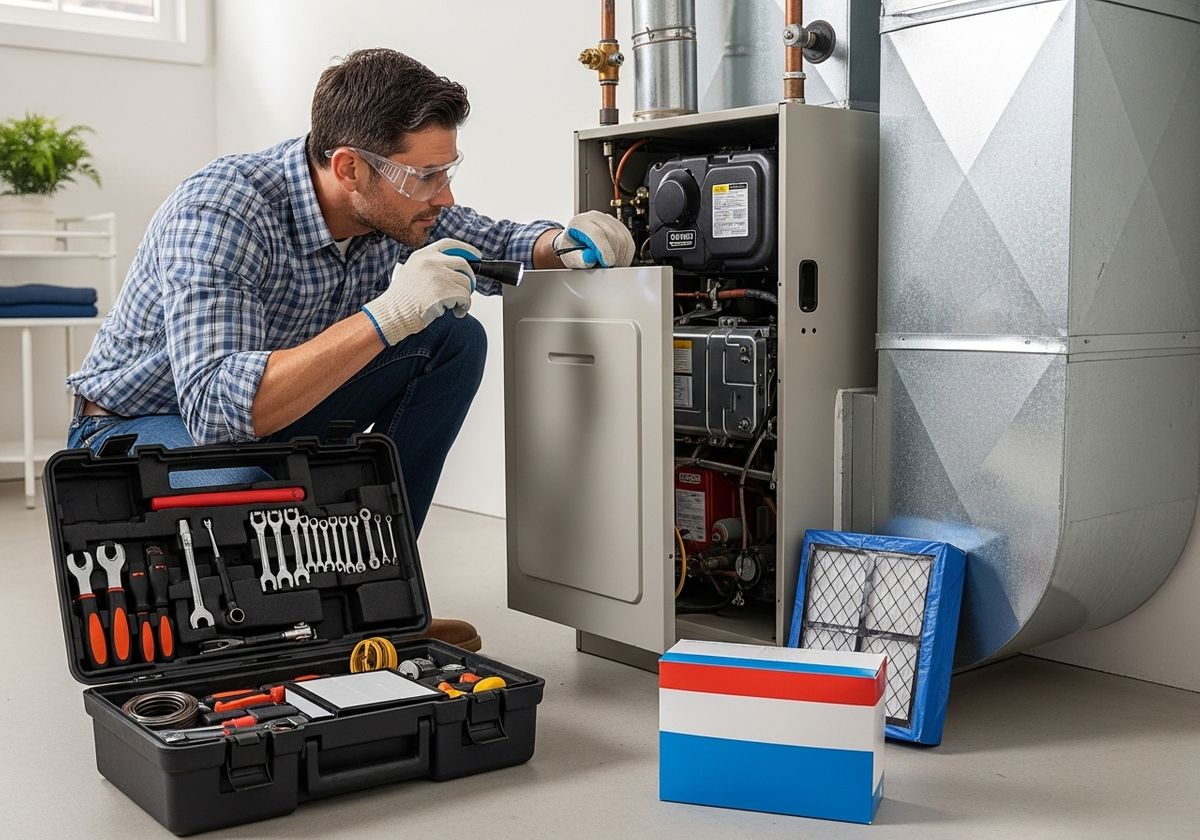
Schedule Regular Maintenance: Have your HVAC systems inspected and serviced annually by a qualified technician.
Change Air Filters Regularly: Replace air filters every 1-3 months, depending on usage and air quality.
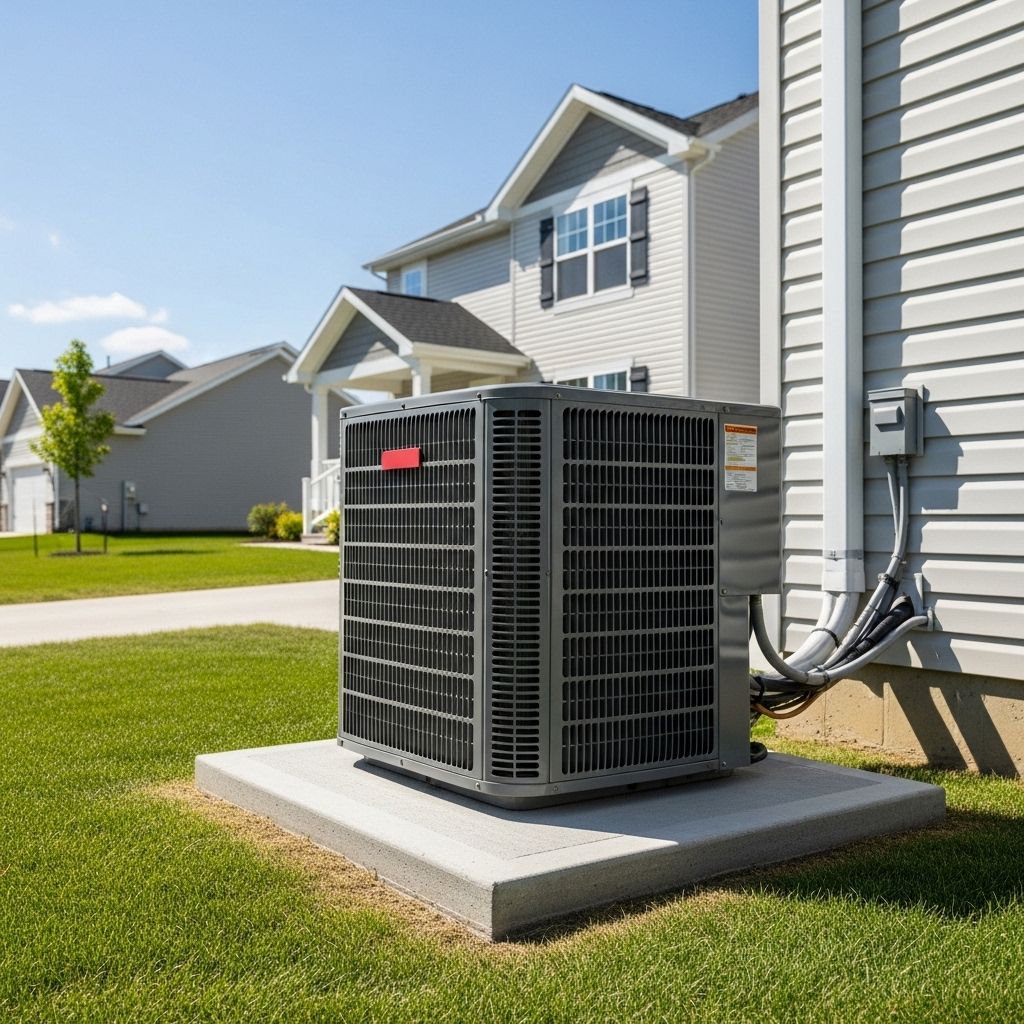
Keep the Area Around the Units Clear: Ensure that outdoor units are free from debris and vegetation.
Use a Programmable Thermostat: Optimize your system's operation by setting efficient temperature schedules.
Address Repairs Promptly: Don't delay repairs. Small issues can turn into larger, more expensive problems if left unattended.
Understanding the lifespan of your HVAC systems and taking proactive steps to maintain them is crucial for long-term savings and comfort. By following these guidelines, you can help ensure your systems operate efficiently and reliably for years to come. As Your Top Residential HVAC Contractor, Flanders Heat & Air Systems is dedicated to providing exceptional heating and cooling solutions. With over 30 years of experience, our skilled technicians offer comprehensive services, from maintenance to new installations, ensuring your home remains comfortable year-round. Contact us today to schedule your HVAC system check-up or to learn more about our energy-efficient options!