Setting up your hot water heater is a crucial step in ensuring your home has a reliable supply of hot water for daily needs. Whether you're replacing an old unit or installing a new one, proper setup is essential for efficiency, safety, and longevity. Here are some essential tips to guide you through the process.

Choosing the Right Size and Type
Selecting the correct size and type of water heater is the first key step. Consider your household's hot water usage during peak times, such as morning showers or doing laundry. A unit that's too small will leave you running out of hot water, while one that's too large can lead to energy waste. Common types include:
Storage Tank Water Heaters: These are the most traditional and store hot water in a tank, ready for use.
Tankless Water Heaters: These heat water on demand, providing a continuous supply without storing water.
Heat Pump Water Heaters: These use electricity to move heat from one place to another instead of generating heat directly and can be very energy efficient.
Location Matters
The location of your hot water heater can impact its performance and lifespan. Ideally, it should be located in a dry, accessible area close to the main water and power supply. Avoid areas prone to freezing temperatures to prevent potential damage. Ensure there's enough space around the unit for maintenance and repairs.
Professional Installation
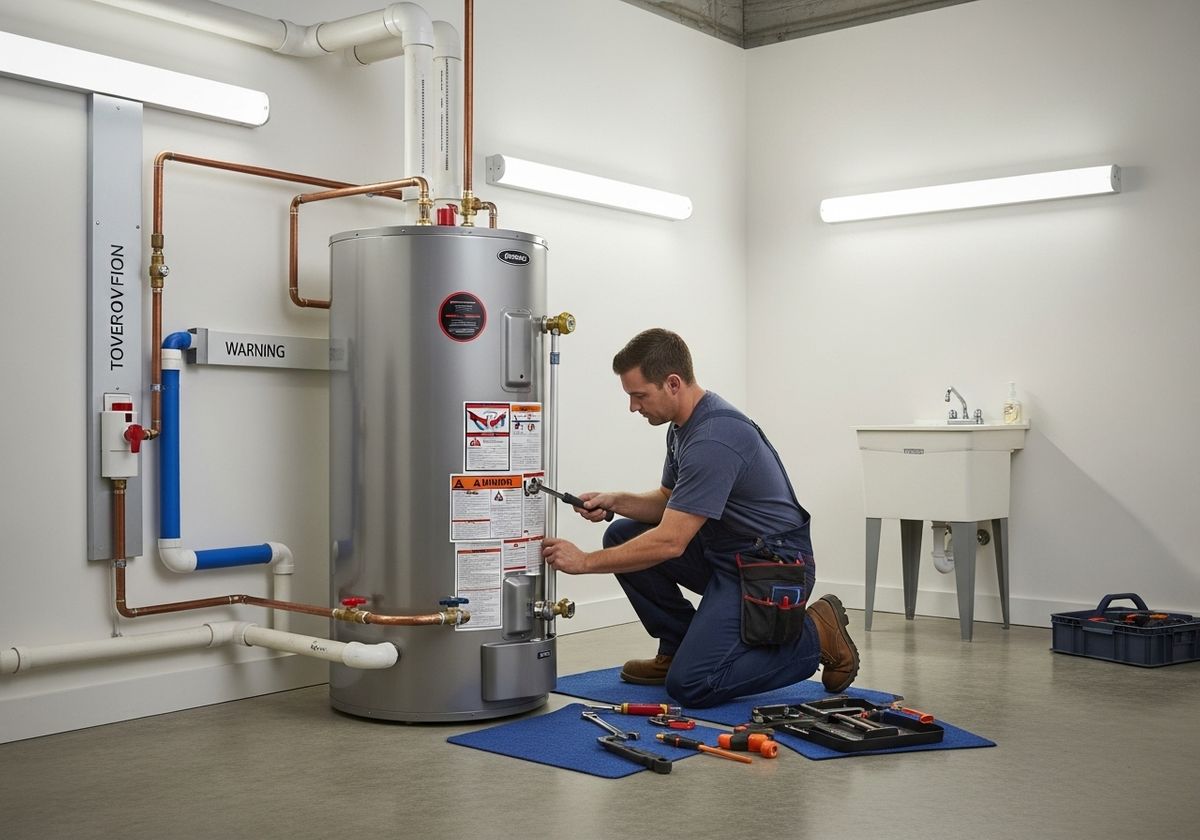
While some homeowners may consider DIY installation, hiring a professional is often the best approach. Plumbers and HVAC technicians have the expertise to ensure the unit is installed correctly, safely, and according to local codes. This can prevent potential hazards like gas leaks, water damage, and electrical issues.
Setting the Right Temperature
Setting the correct temperature is essential for both comfort and safety. The EPA recommends setting your water heater to 120°F (49°C). This temperature is hot enough for most household needs but reduces the risk of scalding and saves energy. Consider that your family's specific needs and comfort levels may require adjustments to this setting.
Insulating the Water Heater
Insulating your hot water heater can help reduce heat loss and save energy, especially for older models. You can purchase pre-cut insulation blankets or wraps from your local hardware store. Follow the manufacturer's instructions carefully when applying the insulation. Be sure not to cover the thermostat or burner compartments.
Regular Maintenance
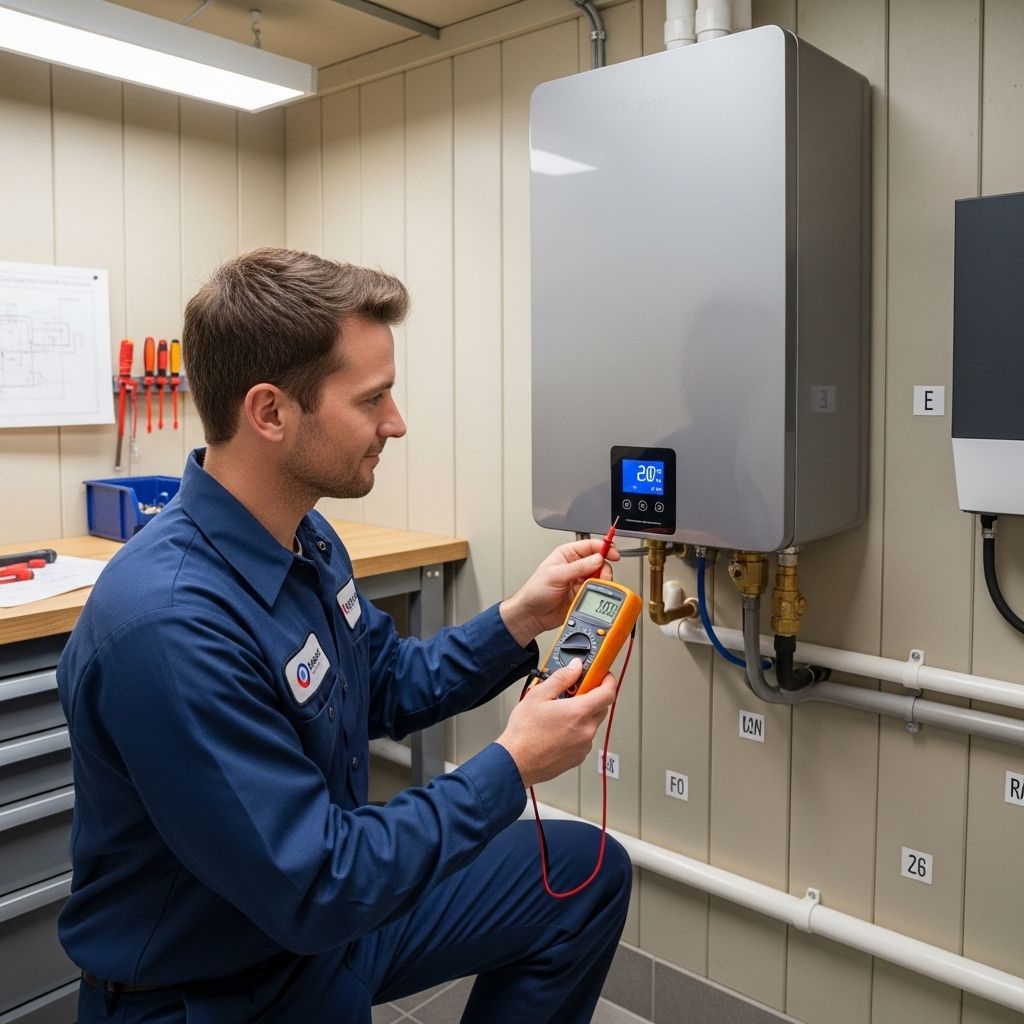
Regular maintenance is essential to prolong the life of your hot water heater and maintain its efficiency. Here are some maintenance tasks to consider:
Flush the Tank: Drain the tank annually to remove sediment buildup, which can reduce efficiency and cause corrosion.
Check the Anode Rod: The anode rod protects the tank from corrosion and should be inspected and replaced every few years.
Inspect for Leaks: Regularly check for any signs of leaks around the unit and connections.
Setting up your hot water heater correctly involves selecting the right unit, ensuring proper installation, and maintaining it regularly. These steps are crucial for ensuring a reliable and efficient supply of hot water for your home. Flanders Heat and Air Systems, your top residential HVAC contractor, is here to help with all your hot water and HVAC needs. With over 30 years of experience, our skilled technicians provide comprehensive solutions, including AC and heating repairs, installations, and maintenance. Contact us today for professional assistance or to schedule a service appointment. Be sure to ask us any questions you may have!