The air within our homes often holds an invisible story, and its quality has a profound impact on both our health and the efficiency of our heating and cooling systems. Understanding this intricate relationship is key to maintaining a comfortable and healthy living environment. At Flanders Heat & Air Systems, we believe that a well-functioning HVAC system is foundational to excellent indoor air quality, and vice-versa.

What is Indoor Air Quality (IAQ) and Why Does it Matter?
Indoor Air Quality (IAQ) refers to the air quality within and around buildings and structures, especially as it relates to the health and comfort of building occupants. Our homes can harbor various pollutants such as dust mites, pet dander, pollen, mold spores, volatile organic compounds (VOCs) from cleaning products and furnishings, and even carbon monoxide. Prolonged exposure to poor IAQ can lead to a range of health issues, including allergies, asthma attacks, respiratory problems, headaches, fatigue, and even more serious long-term conditions. For homeowners, especially those with young children, elderly family members, or individuals with pre-existing health conditions, prioritizing good IAQ is crucial for well-being.
How Your HVAC System Influences Your Indoor Air Quality
Your home’s heating and air conditioning system plays a significant role in managing your indoor air. A properly maintained HVAC system continuously filters the air, removing airborne particles before they can settle in your home or be inhaled. Effective heating services and regular AC repair not only ensure your system operates efficiently but also helps maintain optimal humidity levels, which is critical in preventing mold and mildew growth—major contributors to poor IAQ. Conversely, a neglected system with dirty filters or clogged coils can recirculate pollutants, becoming a source of poor air quality rather than a solution.
The Impact of Poor IAQ on Your HVAC System
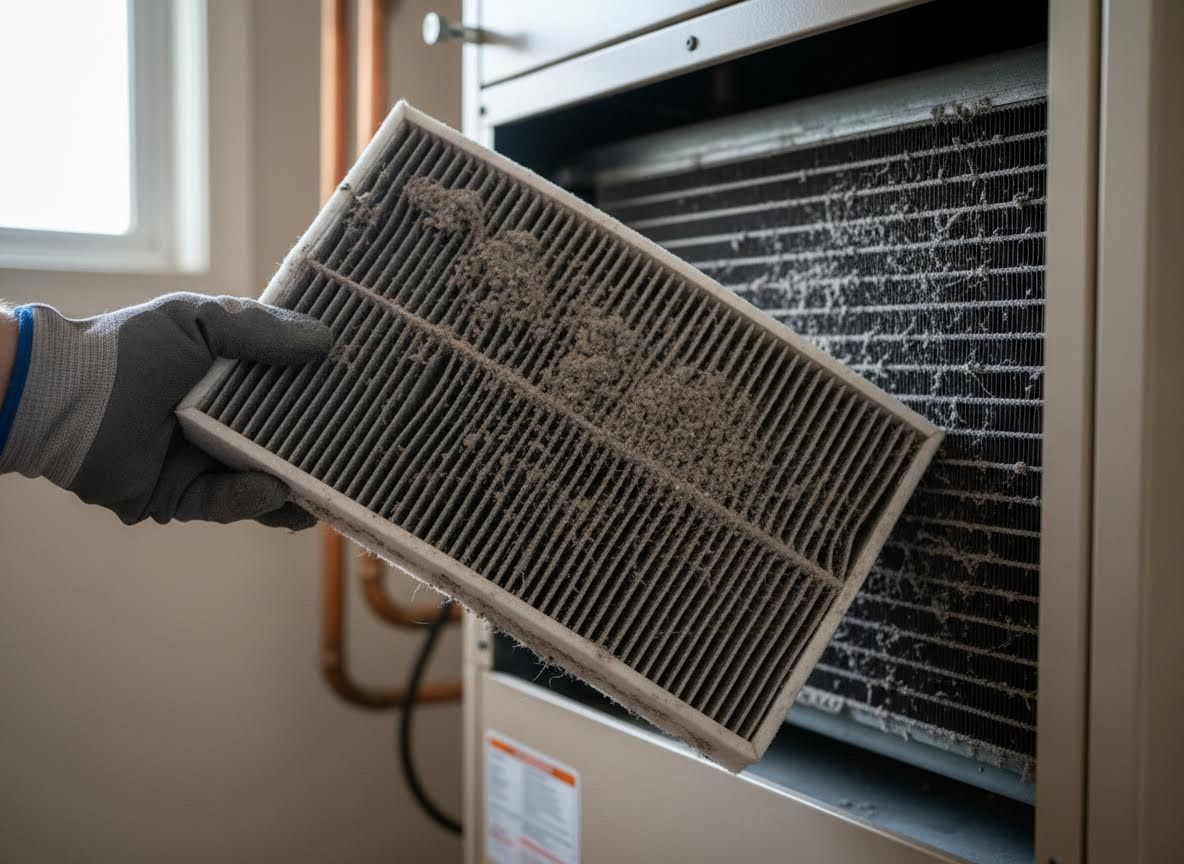
The relationship between IAQ and your HVAC system is a two-way street. Just as your HVAC can impact your air quality, poor air quality can negatively affect your heating and cooling equipment. Excessive dust, dander, and other airborne contaminants can quickly clog filters, restrict airflow, and accumulate on internal components like evaporator and condenser coils. This build-up forces your system to work harder, reducing its efficiency and increasing energy consumption. Over time, this added strain can lead to premature wear and tear, necessitating more frequent AC repair and heating services, and potentially shortening the lifespan of your entire unit.
Enhancing Both IAQ and HVAC Performance
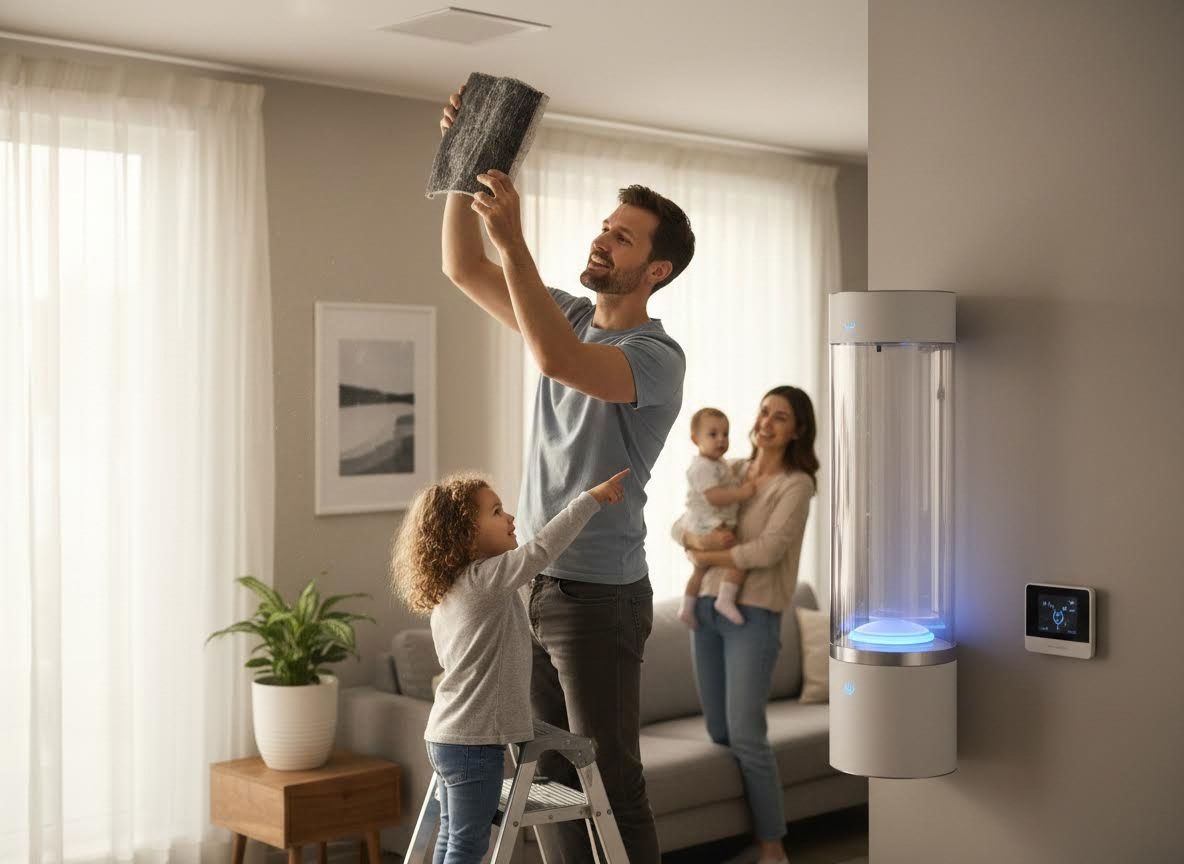
Improving your indoor air quality often involves a combination of strategies that also benefit your HVAC system. Regularly replacing or cleaning your air filters is the simplest yet most effective step. Beyond that, consider upgrading to high-efficiency particulate air (HEPA) filters or exploring whole-home air purifiers that integrate directly with your HVAC system to remove microscopic particles, viruses, and bacteria. Professional duct cleaning can eliminate years of accumulated dust and allergens from your ventilation system. When considering a new system, precise air conditioning installtion ensures optimal performance and airflow. Remember, comprehensive home care, including services like hot water heater repair, contributes to a healthier, more comfortable home environment overall.
The interplay between your home’s indoor air quality and its heating and cooling systems is fundamental to a healthy and comfortable living space. By understanding this connection and taking proactive steps, you can significantly improve both the air you breathe and the efficiency and longevity of your HVAC equipment. To learn more about how to optimize your home’s air quality and ensure your HVAC system is running at its best, reach out to Flanders Heat & Air Systems for an indoor air quality assessment.